Device Engineering
The "Second-Hand" Life of Medical Devices
May 08, 2026
Usually, it’s just that a newer model has come out with slightly faster processing or a shinier screen. In our "buy-new-and-toss" culture, we often assume these multi-ton, half-million-dollar machines just end up in a warehouse gathering dust-or worse, a landfill.
But there is a fascinating, almost secret "second life" for medical gear that is becoming a global movement. It’s part of what’s called the circular economy. Instead of a straight line from factory to trash, the life of a medical device is becoming a loop. However, moving a high-tech machine from a temperature-controlled suite in London to a rural clinic in a developing region isn't as simple as putting it on a boat. It requires a specific kind of "rugged" thinking that is changing how we approach Device Engineering solutions.
The Culture Shock of HardwareThink of it this way: a machine designed for a top-tier US hospital is like a Ferrari. It’s built for perfect roads and high-octane fuel. But if you take that Ferrari to a remote village where the "roads" are dirt tracks and the "fuel" is unreliable, it’s going to break down in a week.
In many parts of the world, the electricity isn't a steady hum; it’s a series of spikes and dips. A sudden surge can fry a delicate circuit board instantly. This is where the engineering shift happens. Engineers are now looking at these "second-hand" lifecycles and realizing that for a device to be truly successful, it has to be "backward-compatible" with a harsher world.

When we talk about modern Device Engineering solutions, we’re seeing a move toward Extreme Durability. Engineers are starting to build "survival mode" into the hardware from day one.
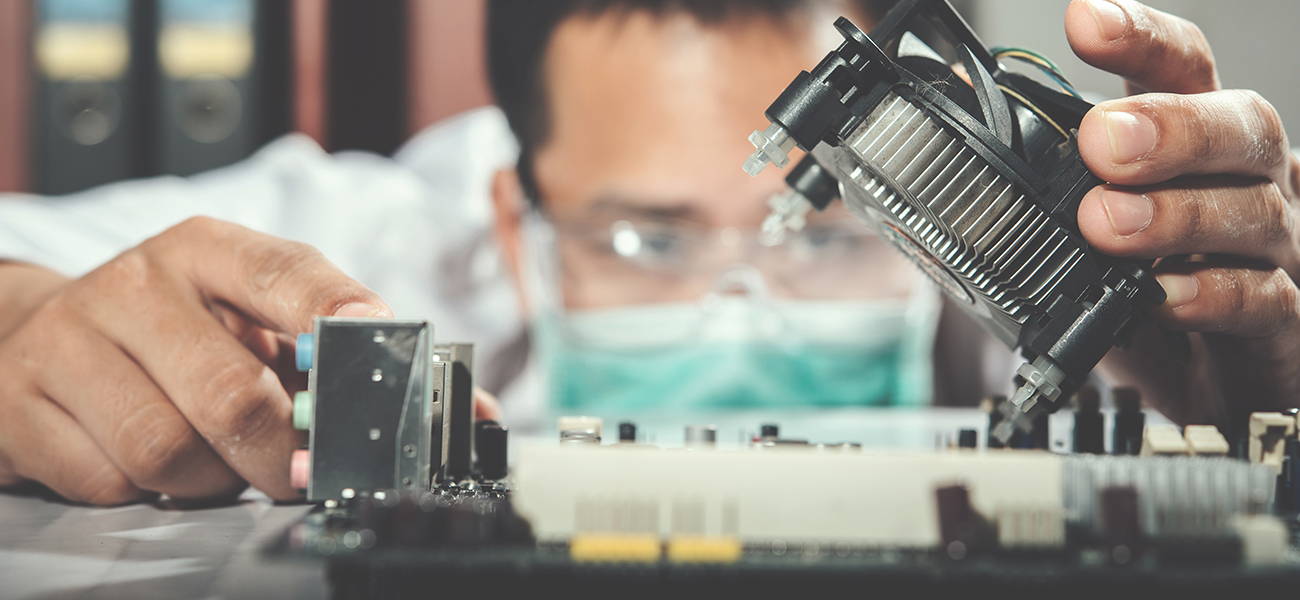
For example, instead of using tiny, high-speed cooling fans that get choked by dust and humidity, designers are looking at passive cooling-using heavy metal "heat sinks" that don't have moving parts to break. They are building in "buffer" batteries that can keep a machine running for twenty minutes of "dirty" power, or designing screens that stay visible even in the harsh glare of an outdoor clinic without a roof.
The Social Impact of "Good Enough"There is a social stigma we have to break here, too. For a long time, sending used gear to developing nations was seen as "giving them our junk." But the mindset is shifting toward Appropriate Technology. A five-year-old ultrasound machine from London is still a miracle of science to a community that previously had zero imaging capability.
The real "engineering" isn't just in the circuits; it’s in the Modular Design. If a machine breaks in a remote area, you can’t fly in a specialized technician. So, engineers are designing these devices so that the most common failure points-like a power supply or a cable-can be swapped out by someone with a basic toolkit and a YouTube video. It’s about democratizing repair.
Why the Circular Economy WinsThis isn't just about charity; it’s about sustainability. The medical industry is one of the world’s biggest producers of high-tech waste. By engineering devices to be "refurbish-ready," we are keeping tons of lead, plastic, and rare-earth metals out of the ground.
In the end, the "second-hand" life of a medical device is a story of human connection. It’s about an engineer in a lab making a choice to use a slightly more expensive, sturdier capacitor because they know that ten years from now, that choice might be the reason a doctor in a rural village can see a baby’s heartbeat for the first time. The best Device Engineering solutions aren't just the ones that win awards today; they are the ones that are still saving lives a decade later, halfway across the world.