
blogs

If you’ve ever stood in a pharmacy aisle, looking at a bottle of medicine, you’ve participated in one of the greatest acts of faith in the modern world.
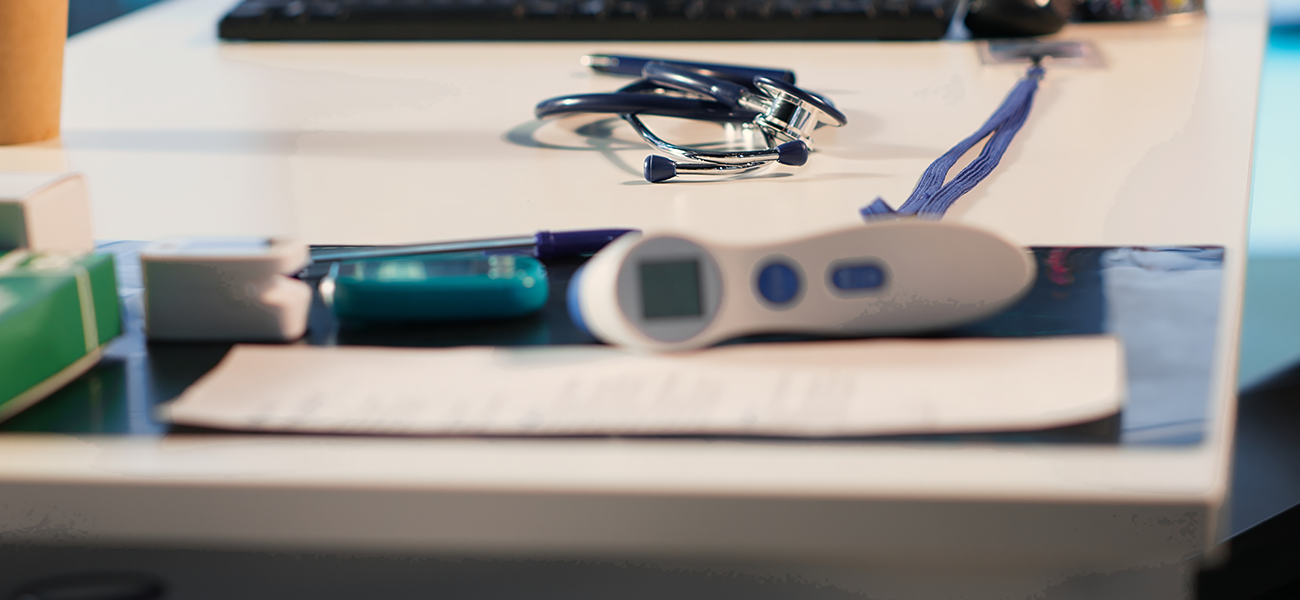
When a major hospital in a city like London or Boston decides it’s time to upgrade its ultrasound fleet, it isn't because the old machines have stopped working.

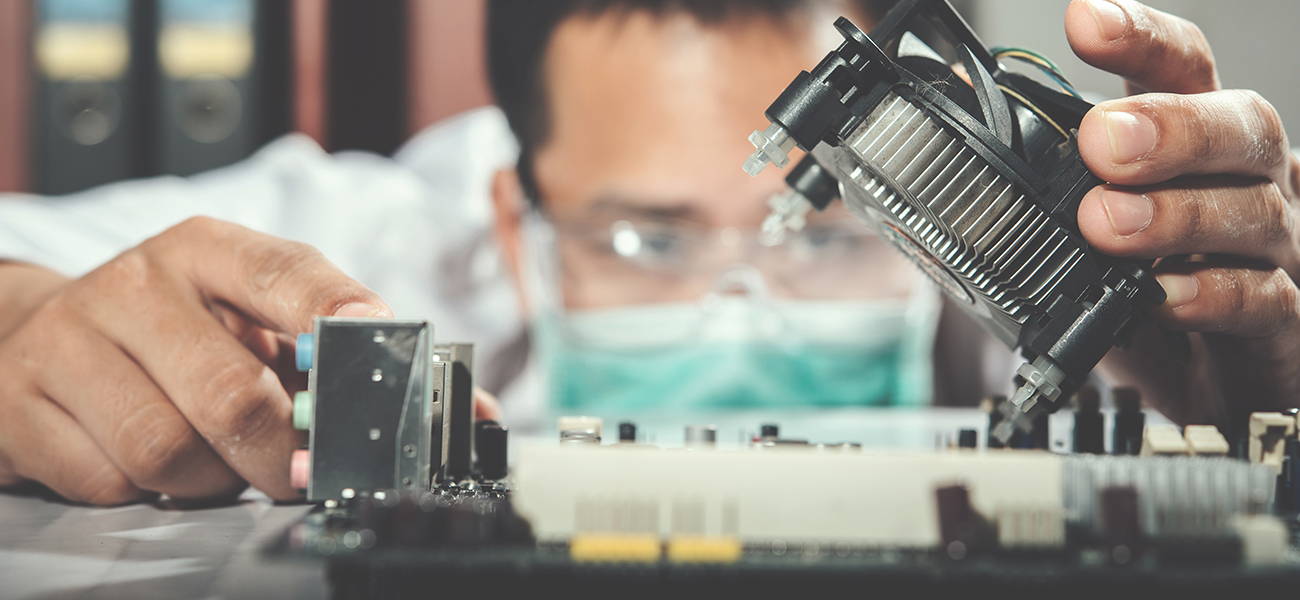
Launching a hardware product has never been more exciting-or more complex.

For decades, urban traffic has been governed by "dumb" timers—pre-programmed intervals that ignore the reality of the road.
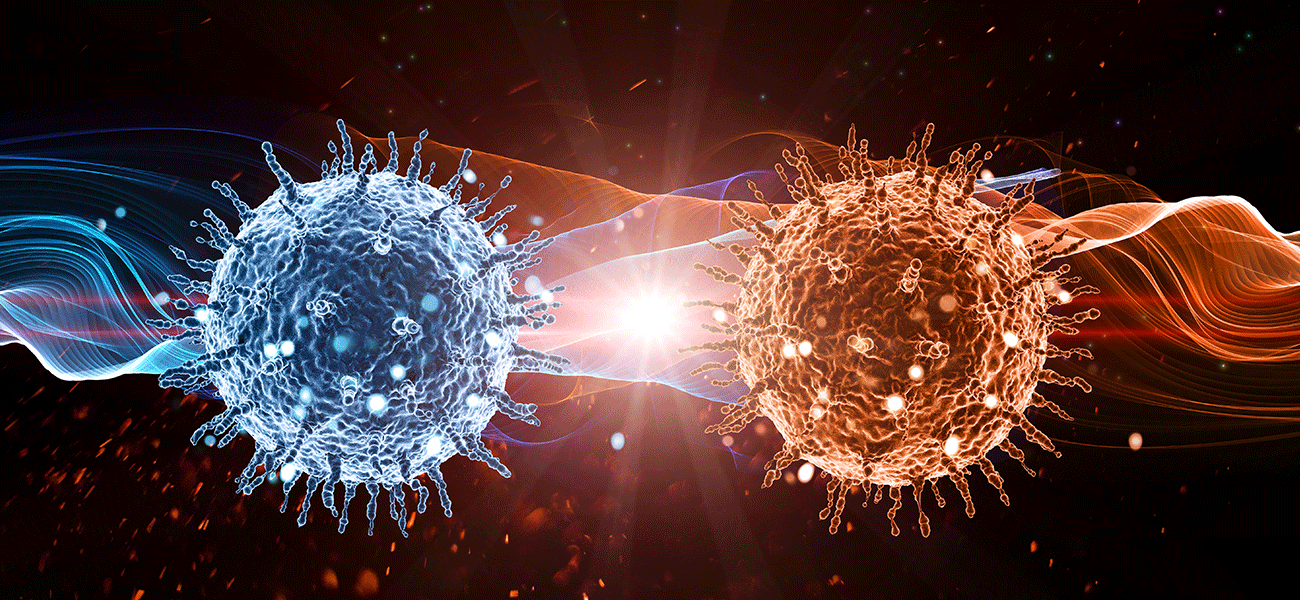
When we think of computers, we think of cold, hard objects: plastic cases, copper wiring, and shiny silicon chips.

If you walk into a sleek, glass-fronted skyscraper in downtown Boston, you will find polished concrete floors, quiet cubicles, and rows of people tapping away on laptops.
We are currently living in what I call the "Glass Trap."

We are currently living in what I call the "Glass Trap."
As the demand for embedded expertise continues to grow, tech leaders in 2026 are increasingly weighing a key decision: hire full-time engineers or bring in contract specialists.
Massachusetts has emerged as one of the most dynamic technology ecosystems in the United States.
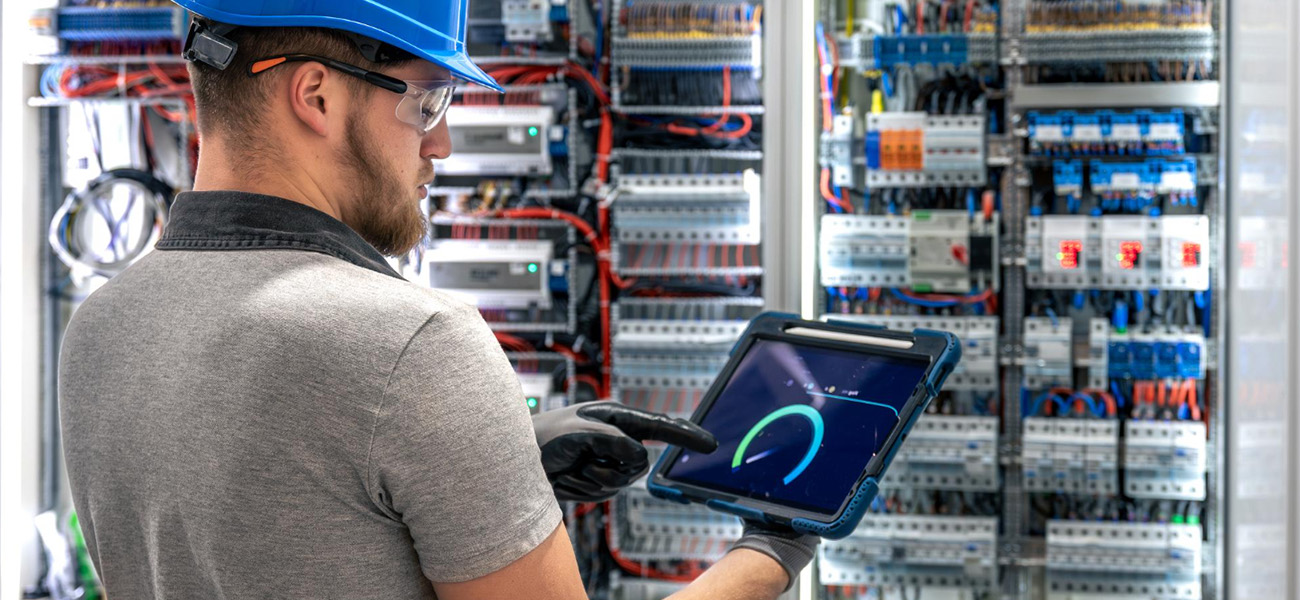
In the world of factory automation, the "if it ain't broke, don't touch it" mantra often keeps 20-year-old Programmable Logic Controllers (PLCs) running critical lines.

The dream of "zero dead zones" is moving from science fiction to firmware.
There’s something oddly poetic about a cell and a circuit trying to speak the same language.
You built with them, shaped them, coated them - and they obeyed.
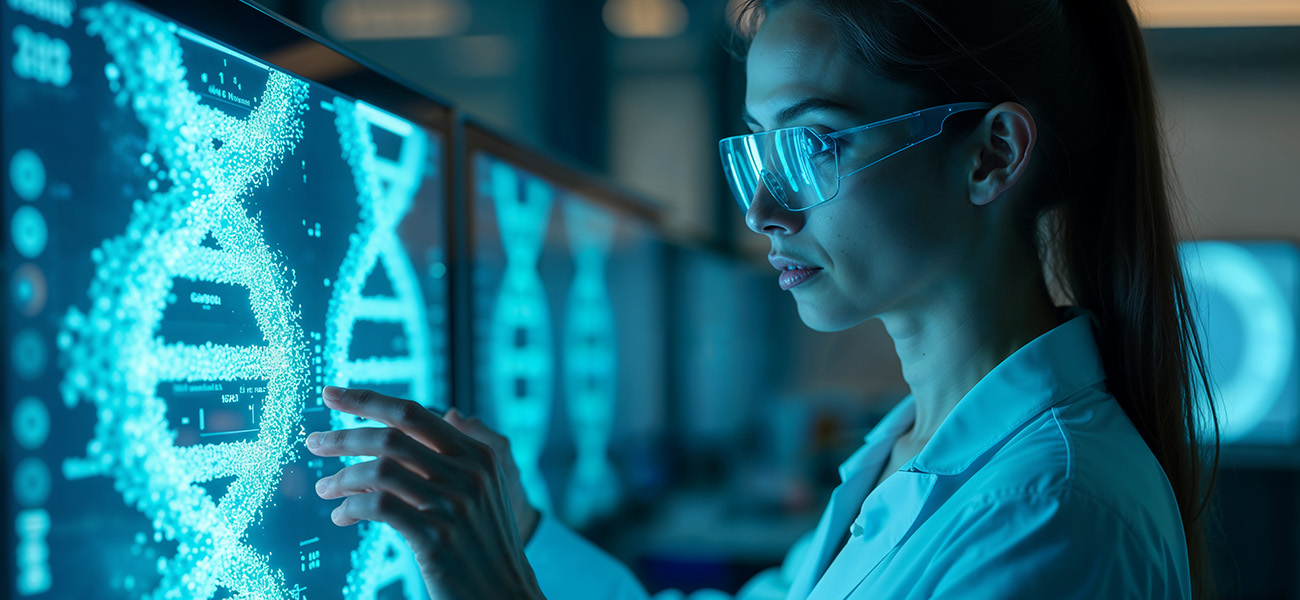
Synthetic biology isn’t about playing God. It’s about playing architect.
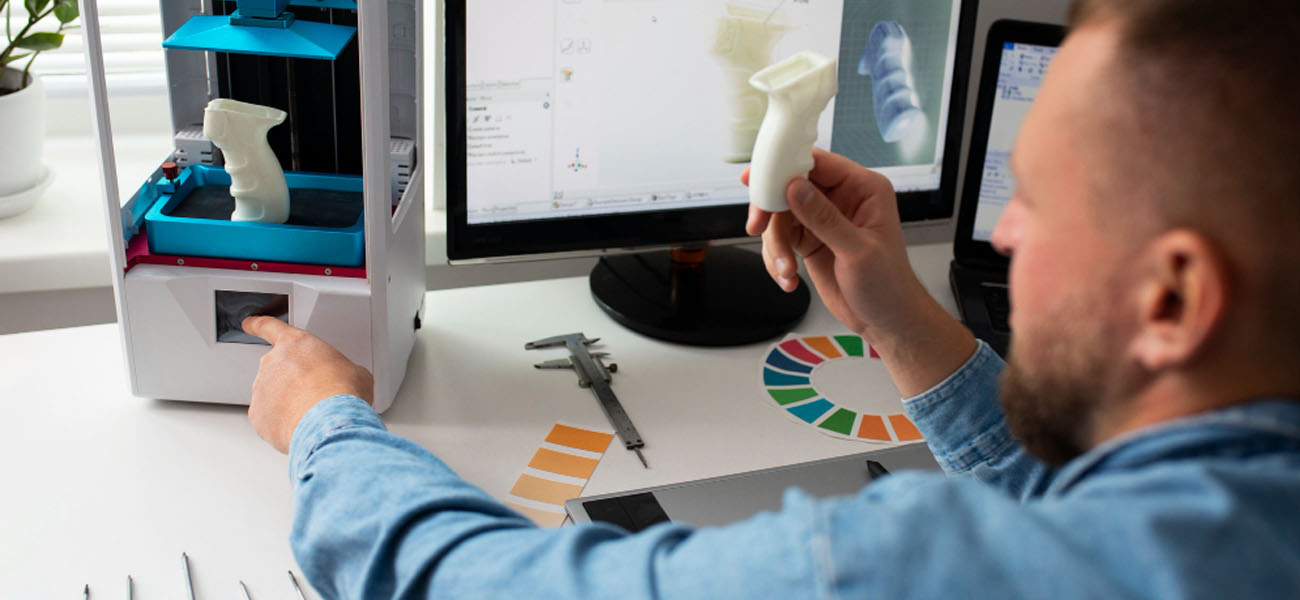
Every medical startup eventually hits the "Wall of Scale." You have a 3D-printed prototype that works in the lab, but you need 500 clinical-grade units for a human trial.
In the "most innovative square mile on the planet"—Kendall Square—the line between a drug and the device that delivers it is disappearing.

You never hear about the screw that didn’t come loose in a ventilator.

Let’s admit it - the word sustainability gets thrown around like confetti at a tech conference.
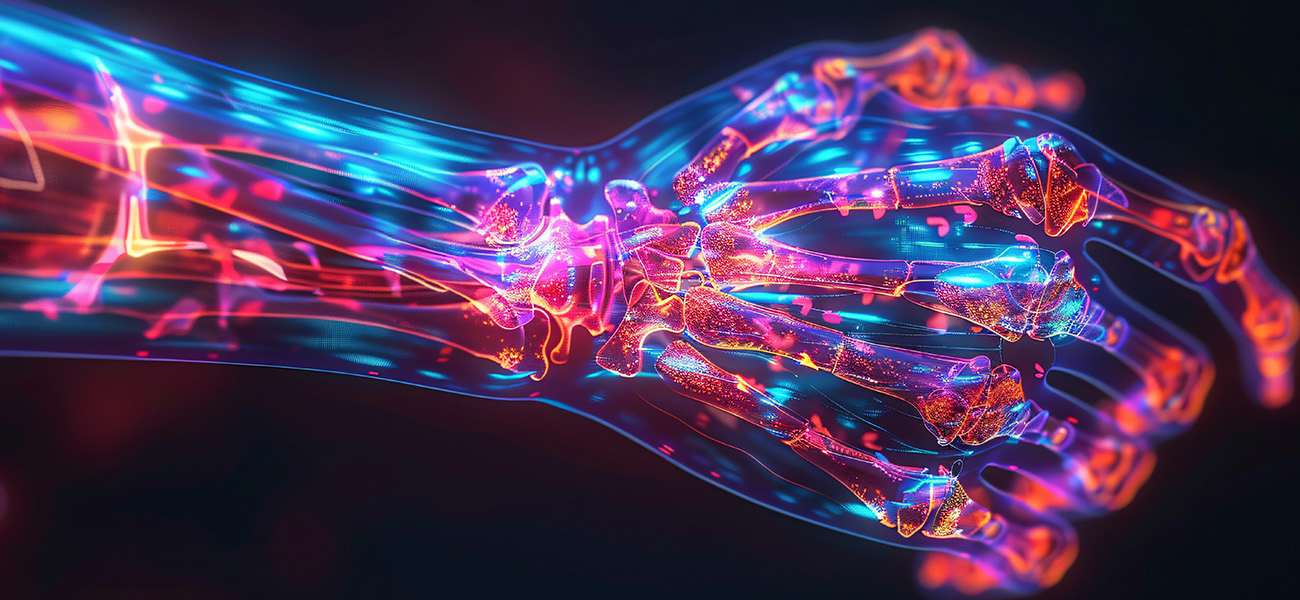
Modern devices are moving from reactive to anticipatory - designed not to respond after something goes wrong, but before it even knows it will.

They’re obedient little soldiers marching in perfect sequence: input, process, output. Efficient, yes. Intelligent? Not quite.

We love digital twins. They’re neat. Predictable. Reassuring.

Here’s the paradox of digital transformation: The tech changes fast - the humans, not so much.