Communication Devices
Satellite-to-Cellular Handover Logic The New Frontier
Feb 10, 2026
The dream of "zero dead zones" is moving from science fiction to firmware. As Low Earth Orbit (LEO) constellations like Starlink and Kuiper expand, the technical challenge shifts to the device in your hand. Developing the embedded middleware required for seamless switching between terrestrial 5G and satellite links is perhaps the most complex hurdle in modern Embedded Solutions for Communication Devices.
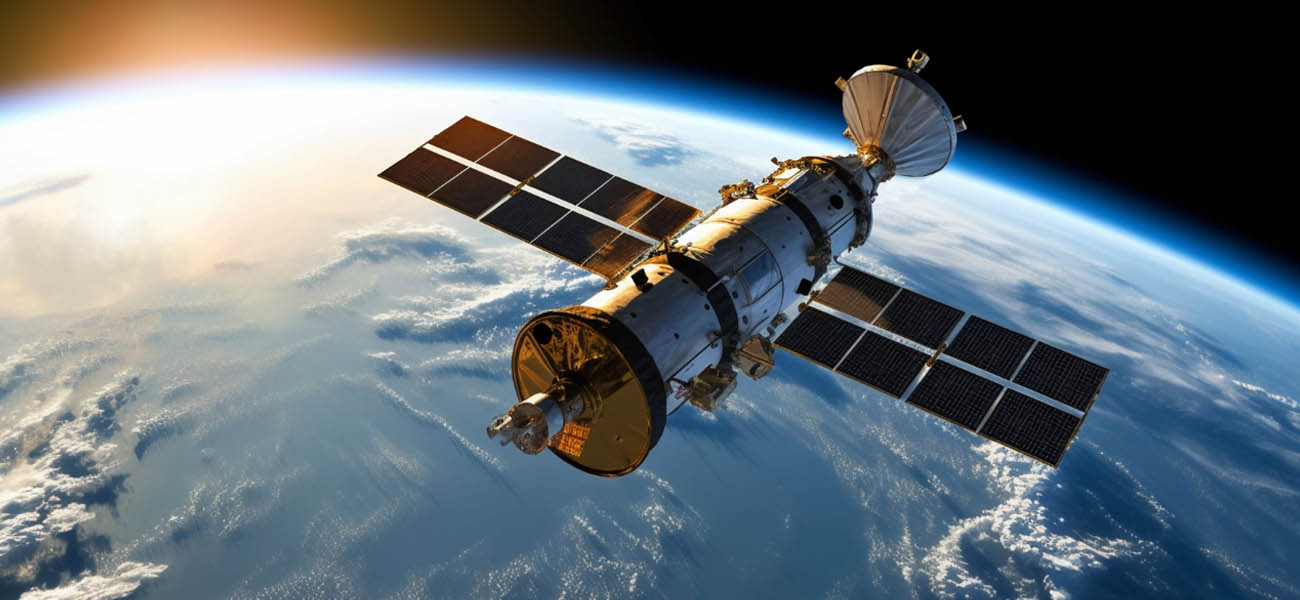
Unlike a stationary cell tower, a LEO satellite streaks across the sky at roughly 17,000 mph. This creates a massive Doppler shift in signal frequency that embedded systems must compensate for in microseconds. Furthermore, the "handover" isn't just between two towers; it’s between a tower 2 miles away and a satellite 350 miles away.

The primary benefit is risk mitigation. Modifying an aging PLC’s ladder logic can lead to unforeseen downtime or safety issues.
 Predictive Spot-Beam Switching: Using GPS data to anticipate when a satellite will disappear over the horizon. Latency Buffering: Managing the 30-50ms jump in "ping" during the switch to ensure a VoIP call doesn't drop. Power Management: Satellite radios require significantly more juice; the Embedded Solutions for Communication Devices must decide when the satellite link is a "necessity" versus a "luxury" to preserve battery life.
As we look toward 3GPP Release 17 and 18 standards, the integration of Non-Terrestrial Networks (NTN) will become standard. The success of this global connectivity depends entirely on the sophistication of the Embedded Solutions for Communication Devices that govern these invisible handoffs.