Embedded Systems
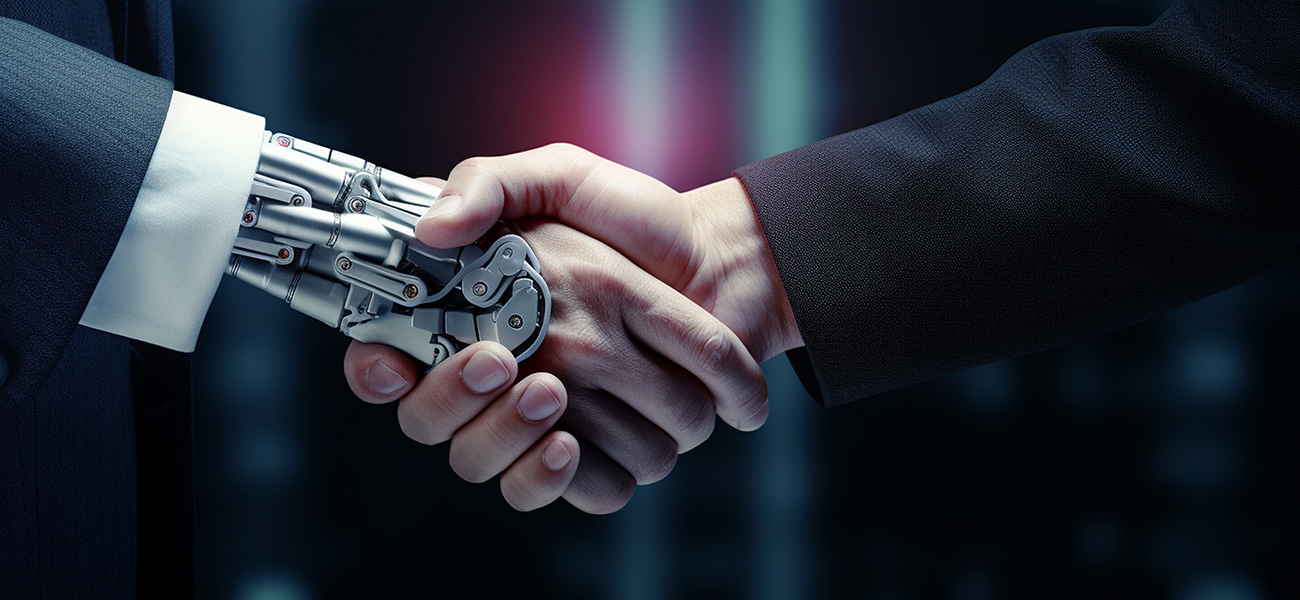
The Handshake with the Machine
May 18, 2026
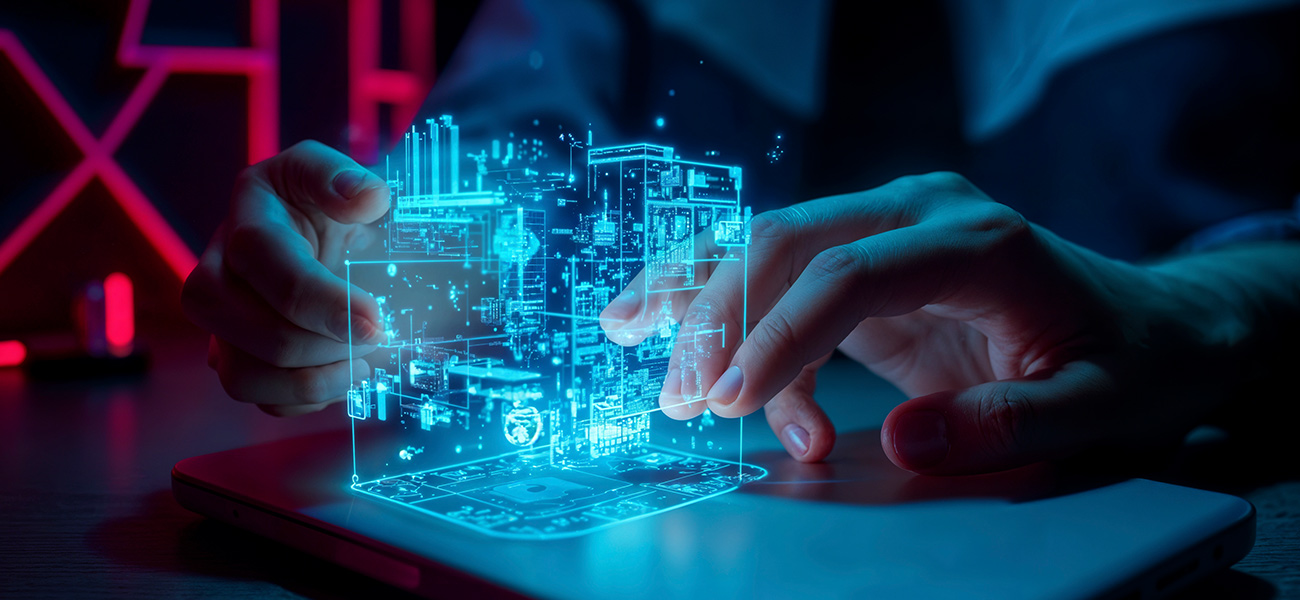
You wake up and swipe a glass screen to turn off your alarm. You tap a glass screen to check the news. You might even touch a glass screen on your fridge to see the weather. Glass is amazing-it’s clean, it’s versatile, and it looks futuristic. But it’s also "dead." It doesn't move, it doesn't push back, and it doesn't give you any feedback.
This is why, for many of us, technology has started to feel a bit hollow. We’ve lost the physical "handshake" we used to have with our machines. And that is exactly why the most important thing an engineering team can focus on in 2026 isn't the screen-it’s the "Click."
When you press a physical button-like the one on a high-end toaster or the ignition of a car-your brain is looking for a conversation. You push, and the button pushes back. That tiny moment of resistance followed by a crisp "snap" is a signal to your brain that says,

"Task completed. I heard you."
In the world of modern electronics, we use Embedded Solutions to fake this reality. Because we can't always have big, chunky physical buttons, we use tiny motors called haptic actuators. These motors move so fast and so precisely that they can trick your thumb into thinking it just pressed a real, mechanical spring, even though it just touched a flat piece of glass.
Why go to all that trouble? Because without that "click," the user feels a sense of anxiety. If you touch a screen and nothing happens for half a second, you wonder if it’s broken. You tap it again, harder. You get frustrated. But when you get that perfect, rhythmic pulse under your fingertip, you feel in control. That feeling of control is the foundation of brand loyalty.
The "Expensive" FeelWe’ve all had the experience of holding a cheap plastic remote where the buttons feel "mushy." It feels like you’re pressing into a loaf of wet bread. Now, compare that to the dial on a luxury stereo or the "home" button on an older iPhone. Those felt sharp, intentional, and expensive.
Here’s the secret: "Expensive" isn't a price tag; it’s a vibration.
A company providing Embedded Solutions in Boston spends thousands of hours "tuning" these vibrations. They might decide that a "delete" button should feel like a sharp, double-sting, while a "save" button should feel like a deep, satisfying thud. When a company gets this right, you start to associate that specific feeling with quality. You don't just like the phone; you trust it. You start to crave that specific "click" because it makes you feel like you’re using a professional tool rather than a toy.
Building a Relationship Through TouchBrand loyalty is really just a fancy way of saying "trust." And humans trust things they can feel.
Think about a car’s turn signal. In many modern cars, that "click-clack" sound isn't coming from a mechanical relay anymore-it’s played through a speaker. And the "feel" of the stalk is often simulated. If the click feels flimsy, you subconsciously worry the whole car is flimsy. But if the click is solid and precise, you feel safe.
This is where the magic happens. By using clever Embedded Solutions, engineers are becoming "Sensory Architects." They are moving beyond the screen and reaching out to talk to our sense of touch. They are making technology feel less like a cold, "alien" object and more like a trusted partner.
Reclaiming the Human ElementAs we move toward a world filled with AI and "invisible" tech, the physical moments will matter more than ever. We want to know that the machines in our lives are listening. We want that "handshake."
The next time you use a gadget and feel a tiny, satisfying "pop" under your finger, take a second to appreciate it. That wasn't an accident. It was a carefully designed moment intended to make you feel satisfied, confident, and connected. In a world of flat glass, the "click" is how we stay human. And for the companies that get it right, it’s the reason we keep coming back for more.